




A beacon of hope
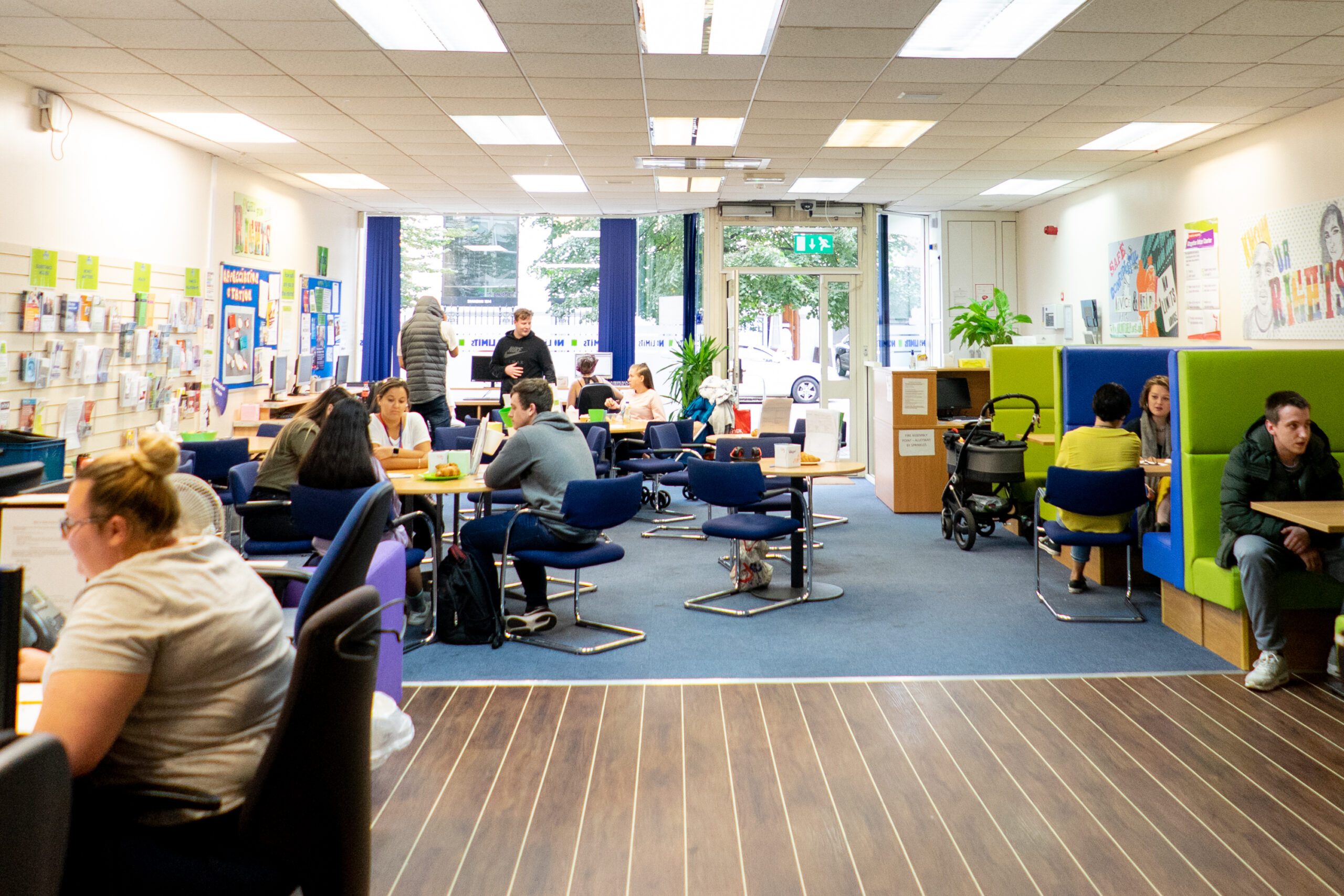
OpenSight is a Hampshire-based charity supporting people with vision impairment. Established over 100 years ago, it has grown and evolved over time and now provides essential services to over 1000 visually impaired individuals each year, championing independence, inclusivity and eye health awareness.
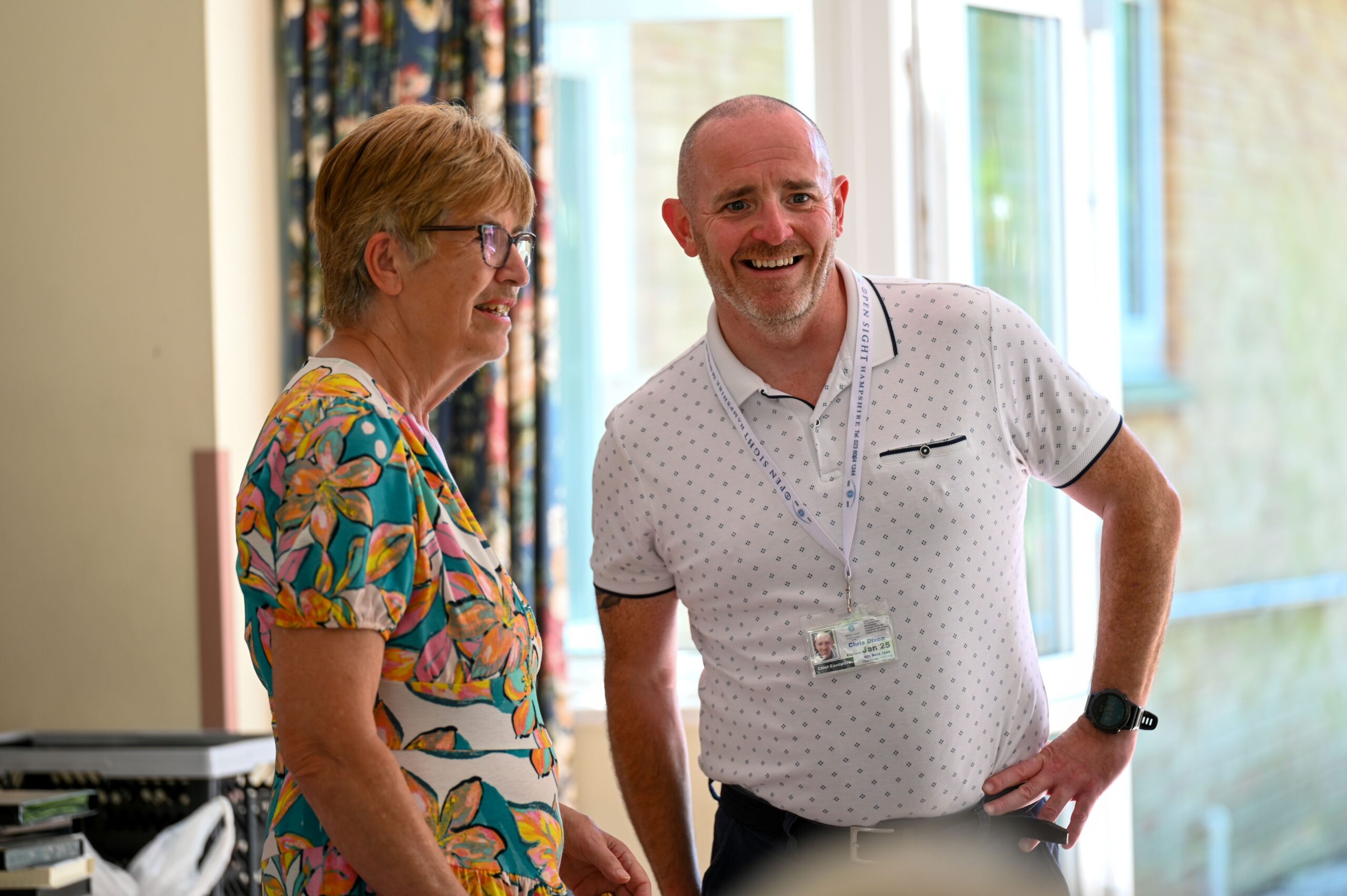
Chris Dixon, CEO of OpenSight, describes how the charity transforms lives and supports “blind and vision-impaired people to go about their daily life through a range of activities and services”. The charity aims “to expand our reach, enhance our services, and continue to be a beacon of hope… Together, we will make a lasting impact and build a brighter future for all”.

Legacy IT systems
Chris Dixon joined OpenSight as CEO in 2024 and immediately realised that the charity’s IT infrastructure was putting the organisation at risk. Outdated systems were not being managed proactively, leaving the charity exposed to system failure, data loss and cyber-attack.
Chris Dixon explains, “When I arrived the IT support management infrastructure was almost non-existent. It was reactive rather than being proactive to what we needed.”
OpenSight’s server was out of warranty and the model had reached end of life. If it were to fail, there was no hardware support in place. The server was a critical piece of equipment, being the charity’s domain controller (authenticating users and authorising access) as well as hosting Sage (the organisation’s business management software). A tape backup system was in place, but backups were not scheduled to occur daily and nor were the backups checked, leaving the charity vulnerable to data loss.
This presented a single point of failure; if the ageing server stopped working, the whole system would grind to a halt.
“So we were incredibly vulnerable, very reliant on our small team to be doing some of the daily tasks. We weren’t automated at all and that that was taking time, it was taking energy.”
Some of the computers were very old, running software that was already unsupported (“We still had Windows 7 active in the building”) or software that would soon reach end of life (e.g. Windows 10). When operating systems reach end of life, they no longer receive security updates, leaving the system vulnerable to hackers and at risk of a data breach.
At the heart of these technical issues was a deeper problem: OpenSight’s IT support system was reactive rather than proactive. Instead of planning ahead, anticipating possible issues and managing systems before challenges arose, the approach had been to respond to situations when they occurred. This increased the risk of a major problem.
“We were doing some of the in-house practical stuff ourselves. We did have an organisation that was supposed to be looking after IT for us, but they were very reactive to whatever we spotted and obviously if you don’t know what you don’t know, you can’t fix what you don’t know.”
Ensuring that the network and IT systems are secure and well-managed is just as critical for a charity as for any business.
Chris Dixon knew that OpenSight needed a more proactive IT partner who would plan ahead and prevent problems before they had a chance to occur, and he knew HBTech were the right team for the job.
Bringing things up to date and getting back on track
“One of the first things I did was to secure our IT security and provision,” explains Chris Dixon, “I needed a headache just to go away really; I had other headaches to deal with. I knew that I could pass it on with 100% assurance that it would be resolved.”
The decision to bring in HBTech was an easy one. Chris Dixon had already worked with the team in a previous role and “was really impressed with the work they did and the support they gave us”. He valued their proactive approach and realised the difference it could make to OpenSight.
“It wasn’t the most expensive option; it wasn’t the cheapest option. But the relationship that I have with the team, the relationship they have with the organisations that I’ve worked for and the fact that they come in, do their work, do their business, get you all right and then almost disappear and everything just works is absolutely amazing.”
A more proactive approach
HBTech conducted a review of OpenSight’s existing infrastructure and developed a bespoke plan to bring the charity up to date.
Because the server represented a single point of failure and was out of warranty, it needed to be replaced. One option was to replace it with a like-for-like newer physical model, but HBTech advised that moving to Microsoft Azure would make more sense for the charity. Microsoft Azure is Microsoft’s hosted platform for servers. Unlike a physical server, this cloud-based option would not be a single point of failure. It is highly available, meaning that OpenSight can rely on it to be accessible and operational 99.999% of the time.
HBTech noted that some users were remotely connecting to their computers in the office to access their business management software, Sage. The move to a cloud-based Microsoft Azure server would make Sage available from anywhere with an internet connection, protected by Two Factor Authentication. This supports hybrid and remote working while adding in an extra layer of security, helping OpenSight’s staff do everything they could before (and more), with peace of mind.
With their experience working with other charities, HBTech knew that Microsoft credits are available to non-profit organisations. They helped OpenSight secure substantial savings.
As a charity, OpenSight is entitled to $2,000 free Azure credits per year, which may be enough to cover their costs running Sage in Azure for a year
OpenSight had a monthly subscription to Microsoft 365 with licences for every user, a cost which quickly added up. HBTech advised that their charitable status meant that they were entitled to substantial discounts and offers from Microsoft. This gave OpenSight a reduction in their monthly spend as well as an upgrade in their software because it moved them over to a Business Premium package. Business Premium includes products with a higher level of functionality and improved security compared with what OpenSight had previously been using.
When reviewing OpenSight’s computers, HBTech noted that some required immediate replacement, e.g. a Windows 7 PC that could cause a data breach because it no longer received security patches from Microsoft (Windows 7 reached “end of life” in January 2020). Other computers in the organisation could run Windows 10 but not Windows 11. Windows 10 is scheduled to reach end of life in October 2025 (when security updates will cease, making it more vulnerable). With this in mind, HBTech advised OpenSight of the computers’ usable life span before they would need to be replaced. This gave OpenSight the ability to plan, and budget, ahead.
With several users using both a desktop and a laptop, HBTech advised that a more cost-effective option would be to use a laptop with a docking station (providing monitors, network connection, power and USB connections through a single cable to the laptop). This would give the flexibility of portable use as well as the comfort, productivity and ease of a desktop-style environment.
The right IT support for the OpenSight team
The IT upgrades HBTech implemented brought the charity up-to-date and gave it a secure IT foundation on which to operate. Replacing outdated systems reduced the risk of breach and data loss and moving to the cloud improved security, availability and flexibility.
Chris Dixon explains, “We’re fully mobile now, so we can go about the county and deliver our work and hot desk wherever we need to be. And knowing that we’re still secure, we’re in the cloud, so we can work on documents wherever we may be. It’s all those things you take for granted now, I can work on my laptop on the train, just being able to work and not worry about whether your IT is going to work or you’re causing any mischief [by logging in remotely]”.
HBTech’s understanding of the charity’s needs ensured that OpenSight received cost-effective solutions that work for them and Chris Dixon appreciated that HBTech “knew how to spend charitable money in the best way possible and arguably in a one-off moment rather than having to come back two or three times every two or three years.”
“We’re in a much better place already. HBTech’s proactiveness just gives us that assurance that they are looking after us, our systems are safe, and the likelihood is highly reduced that we’ll be in the middle of anything that we don’t want to be in the middle of.”
To discuss a review of your IT infrastructure and discover how proactive IT support would help your organisation, contact us and one of our team will be in touch.